
Housing Density Topic Paper
This Topic Paper sets out the importance of securing optimum residential densities across the SLP area to deliver good quality placemaking in line with national government policies, guidance and housing targets.


Phases
Feeding back
The Regulation 18 Statement of Consultation and Engagement has now been published and is available to view here: SLP Regulation 18 Statement of Consultation and Engagement
Below is a summary of the feedback you provided on the Housing Density Topic Paper:
Most respondents supported the general aim of making more efficient use of land and increasing housing density, but the strongest recurring theme was that density must be context-sensitive rather than applied as a blanket standard. Many said density should reflect local character, site constraints, housing mix, infrastructure capacity and placemaking objectives, with several explicitly supporting an “optimum” rather than simply maximum density approach.
A clear split emerged over how ambitious the plan should be. Some respondents argued the paper is too cautious and should push much harder for higher densities, especially in Cheltenham and in centres, around rail stations and on brownfield/car park sites. They called for more mid-rise development, more mixed-use schemes and denser forms to reduce sprawl, protect countryside and improve affordability. Ashchurch Garden Community at 35–40 dph was repeatedly cited by pro-density respondents as a missed opportunity.
Others, especially land/promoter and planning respondents, warned that the paper may overestimate what can realistically be achieved on large sites. They stressed that strategic landscaping, trees and hedgerows, biodiversity mitigation and BNG, flood risk, SuDS, utilities, heritage settings, schools, community facilities, open space, roads and active travel infrastructure all reduce net developable area. They argued that unrealistic assumptions could lead to under-allocation of land and later housing shortfalls. Several also emphasised that local housing need points to a high proportion of family housing, which limits how far densities can rise.
Infrastructure was one of the most common concerns across responses. Respondents broadly accepted that higher densities can support better public transport and local services, but only if development is located in the right places and phased with infrastructure. Several said higher density in poorly connected or car-dependent areas could worsen congestion and traffic impacts, including on the strategic road network. There was support for focusing denser development around high-frequency bus corridors, BRT routes and rail stations, though one response questioned how much land around stations is actually available.
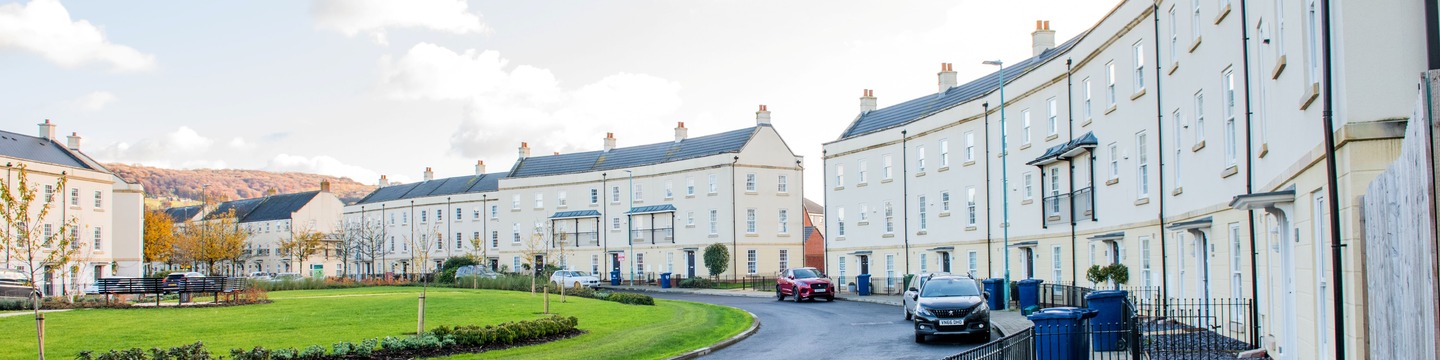
Another strong theme was that higher density should not come at the expense of quality. Respondents repeatedly mentioned the need for good internal space standards, daylight, amenity, open space, greenery, trees and blue-green infrastructure, as well as inclusive design and good design coding. Some saw higher density as compatible with attractive urban forms, including Regency, Victorian or Georgian-inspired development in Cheltenham, while others warned against cramped layouts, poor parking arrangements and weak external environments.
Several respondents also said the paper needs stronger evidence and implementation detail. Suggestions included reviewing actual recent permissions and achieved densities, quantifying how much extra capacity higher assumptions would produce, monitoring delivery, and better linking the density paper to other evidence on urban capacity, green infrastructure and BNG.
Overall, respondents largely agreed with the principle of increasing density, but the main debate was whether the paper is still not ambitious enough, or whether its assumptions are already too optimistic once real-world constraints, infrastructure and housing mix are taken into account.