
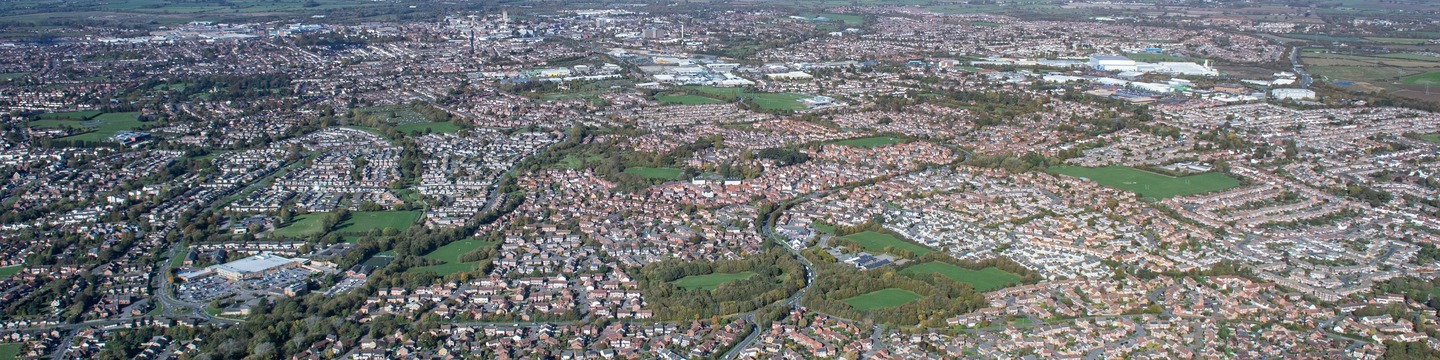
Joint SLP Urban Capacity Study
An Urban Capacity Study is a realistic assessment of sites with potential to come forward for residential development within the urban areas of a Local Planning Authorities (LPA’s) administrative boundaries. It provides evidence regarding options to meet housing needs.
This report establishes the overall SLP areas ‘baseline capacity’ which includes the urban capacity of Gloucester, Cheltenham and Tewkesbury’s built-up areas as a starting point for the development scenarios introduced at Regulation 18 stage of the SLP.


Phases
Feeding back
The Regulation 18 Statement of Consultation and Engagement has now been published and is available to view here: SLP Regulation 18 Statement of Consultation and Engagement
Below is a summary of the feedback you provided on the Urban Capacity Studies:
Responses split between two broad themes: objections to further greenfield release and support for it where urban capacity is seen as insufficient.
A recurring concern is that the study appears to move away from a ‘brownfield first’ approach and towards greenfield development, with respondents worried about loss of countryside, farmland, habitats and biodiversity. Related points ask for stronger integration of nature recovery, Biodiversity Net Gain and green space planning, including whether environmental groups were invited to nominate land for SANG/BNG and similar uses.
Another clear theme is that the study should make better use of urban land through higher densities. One respondent argues the approach is too two-dimensional and should focus more on 4–6 storey development, smaller and more affordable homes, and forms of development that reduce pressure on land take and flood-prone areas.
Several comments question omissions or methodology. These include concerns that the borough-level studies were not publicly consulted on, queries over how Green Belt purposes are being addressed, and criticism that the airport has been omitted despite being seen as a major potential development opportunity.
In contrast, a detailed developer response strongly supports the study’s conclusion that urban land alone cannot meet housing need, especially in Tewkesbury Borough, and uses this to argue for strategic greenfield allocations. It promotes land north of Stoke Road, Bishops Cleeve, for a large mixed-use scheme including housing, open space, education, employment and ecological improvements.
A smaller number of comments focus on design and heritage, calling for traditional architecture, reuse of older buildings, and restrictions on demolition.